

PWM Solar Regulators
Filter and sort


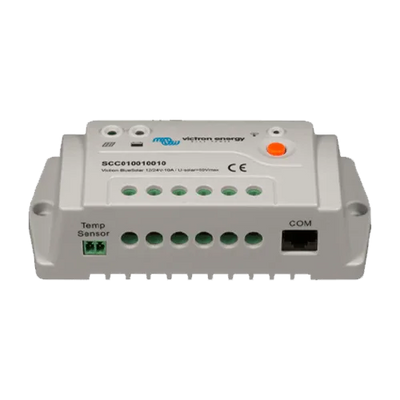

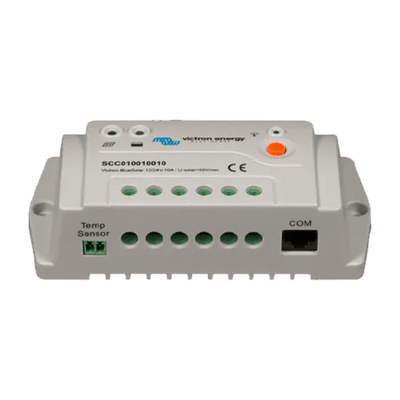

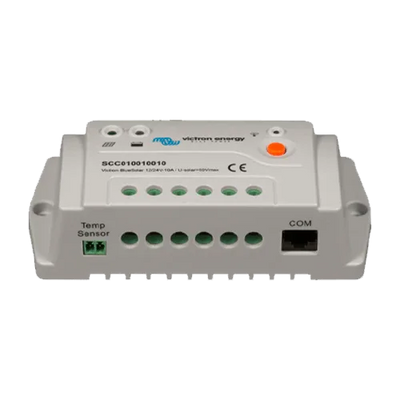
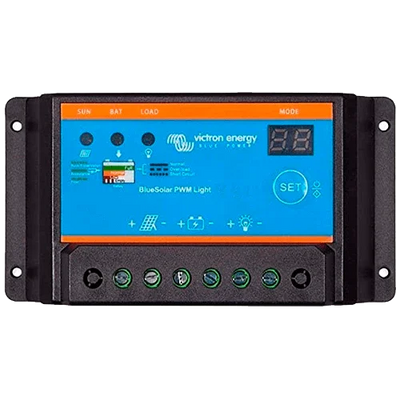

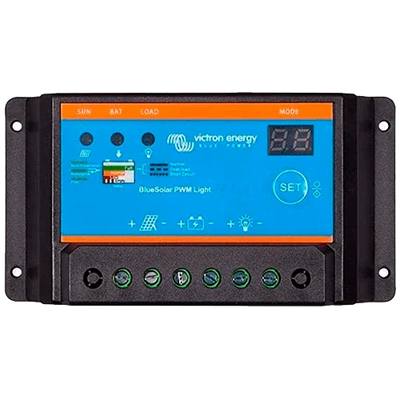


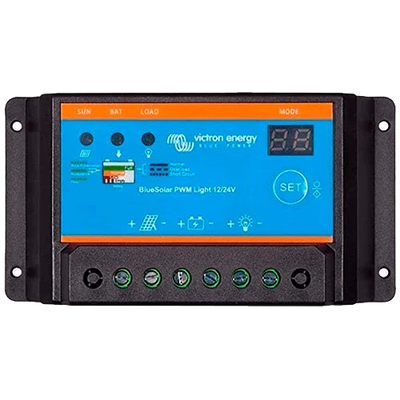


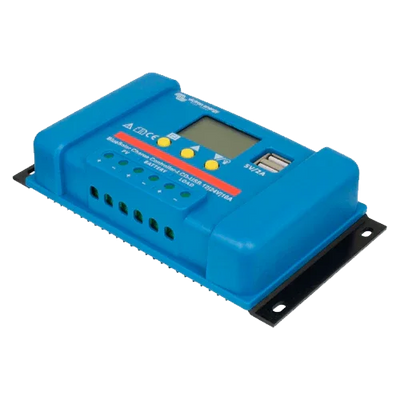

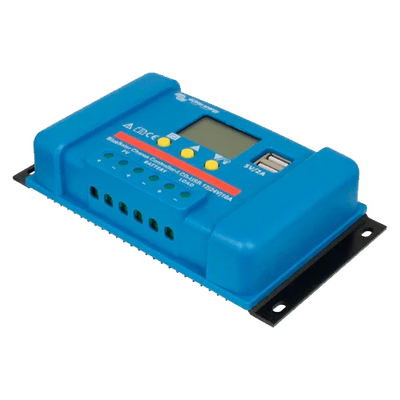

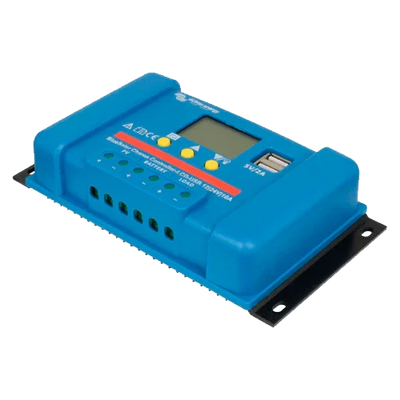

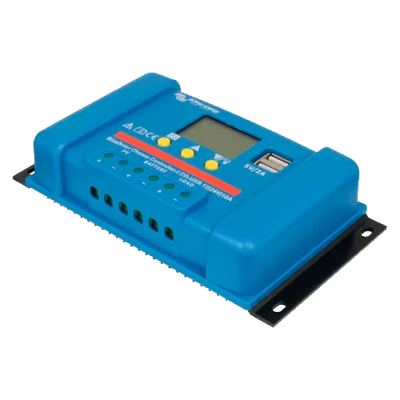

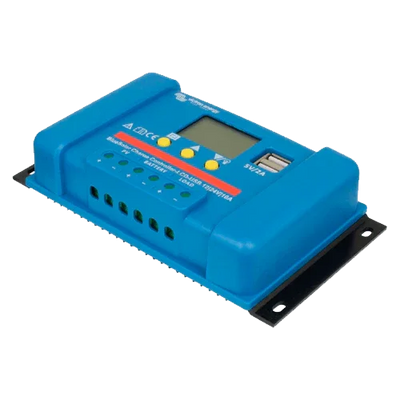

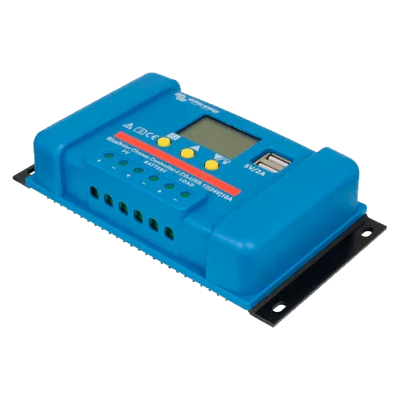


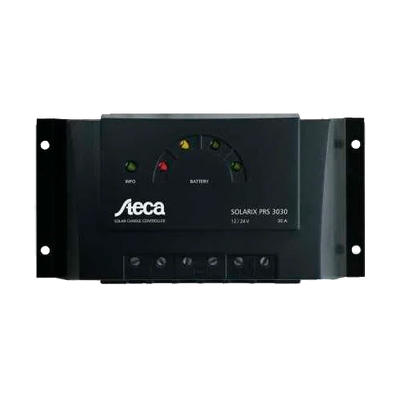

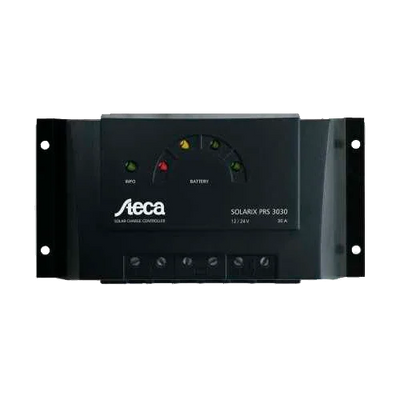

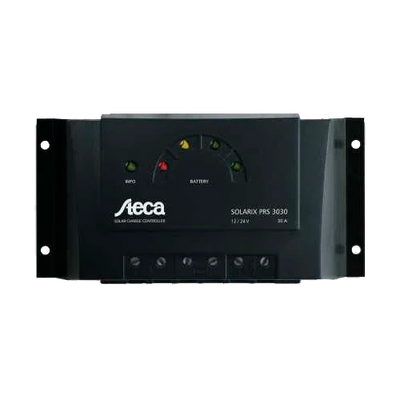

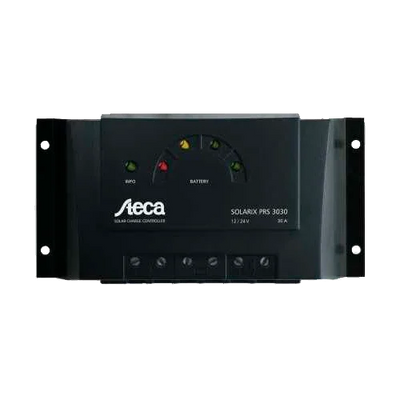

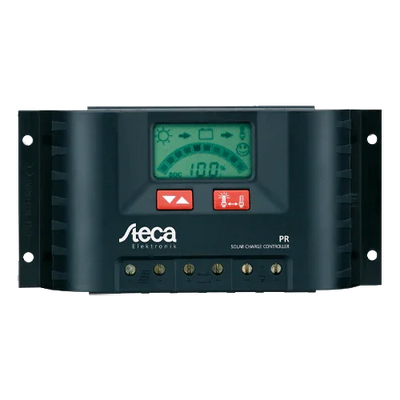

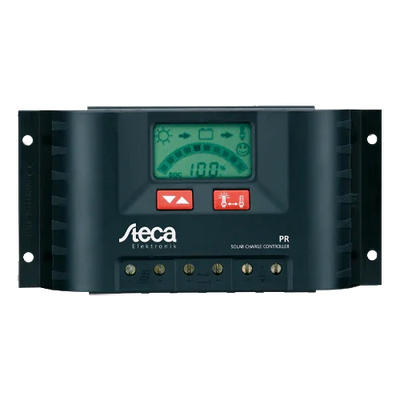
What is a PWM regulator and when is it suitable?
A PWM solar regulator (Pulse Width Modulation) connects the photovoltaic array to the battery by “matching” the panel voltage to the battery voltage. It is a simple, robust, and economical solution for small systems where panels and batteries share 12 V or 24 V nominal and cable runs are short.
Advantages of PWM
- Low price and high mechanical/electrical reliability.
- Low self-consumption and straightforward operation.
- Perfect for compact kits in caravans, light marine applications, or cabins.
Limitations compared to MPPT
- They do not utilize PV voltages higher than the battery: lower production with “grid” panels.
- Lower efficiency in cold climates and with long cable runs.
- For 48 V or series strings, an MPPT is preferable.
How to choose your PWM regulator
- Battery voltage: 12/24 V automatic or selectable.
- Charge current (A): must cover the maximum current to the battery (PV W / battery V) with margin.
- Charge profiles: support for AGM, GEL, OPzS, and basic lithium compatibility (if specified by the manufacturer).
- Functions: display, load outputs, timers, communications (depending on model).
Typical applications
- Caravans and campers with one or a few 12/24 V panels.
- Light marine and boats with modest consumption.
- Cabins/shelters with lighting, small pumps, and basic electronics.
General specifications
| Topology | PWM (pulse width modulation switching) |
| Battery voltage | 12/24 V (depending on model) |
| Charge current | 10–60 A (model-dependent) |
| Profiles | AGM, GEL, OPzS; lithium compatibility as per manufacturer |
| Functions | Display, load outputs, timer, basic communications |
Installation best practices
- Connect the battery to the regulator first, then the panel.
- Use a fuse and disconnect switch between battery and regulator and keep voltage drop <3% in DC.
- Set the battery profile (absorption/float) and activate the temperature sensor if available.
If your system is small, economical, and 12/24 V, a PWM will provide simplicity and reliability. To capture more energy and have flexibility in string design, choose an MPPT and complete with installation and monitoring accessories.
Our Brands


