

Grid-Tied Inverters
Filter and sort








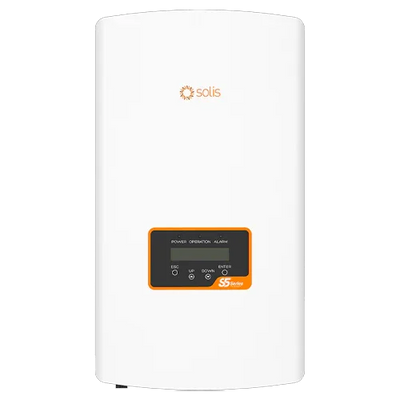


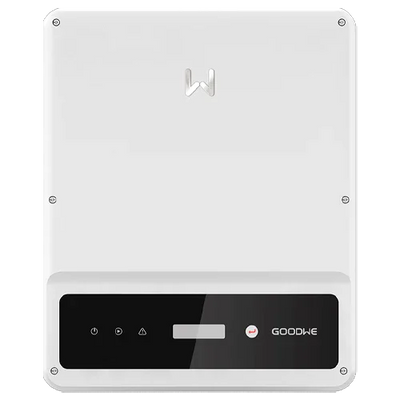


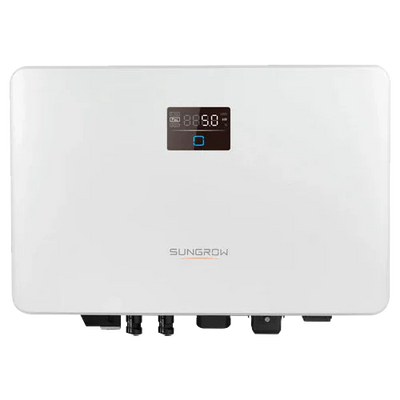

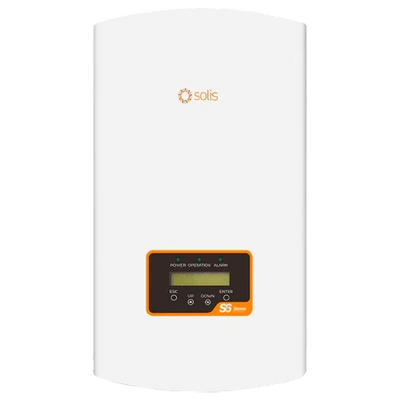

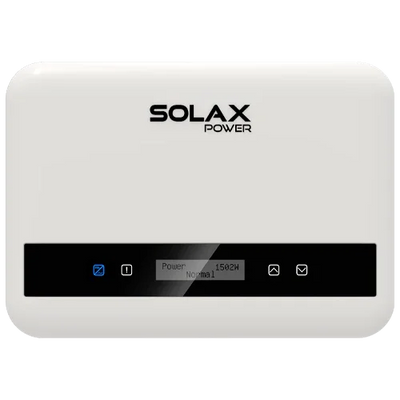


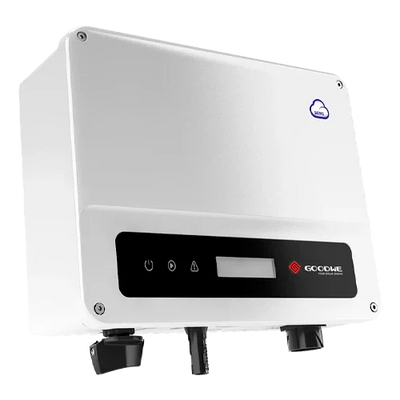

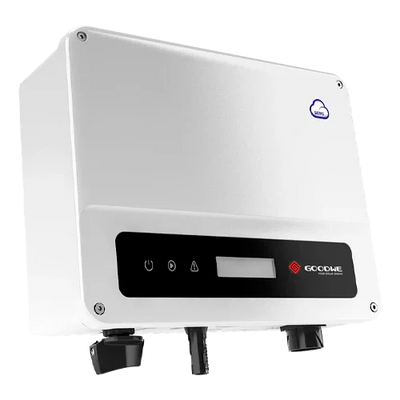
What is a grid-tied inverter and what is it used for?
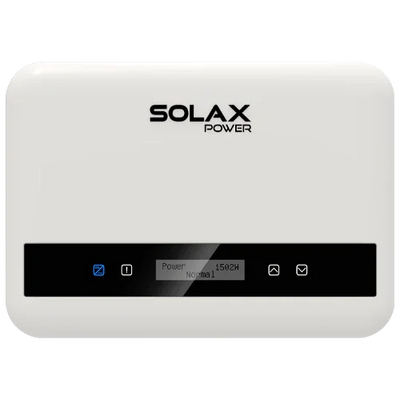
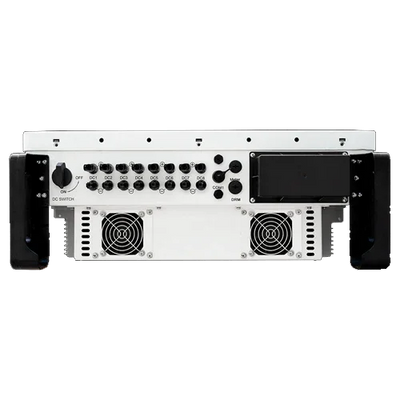
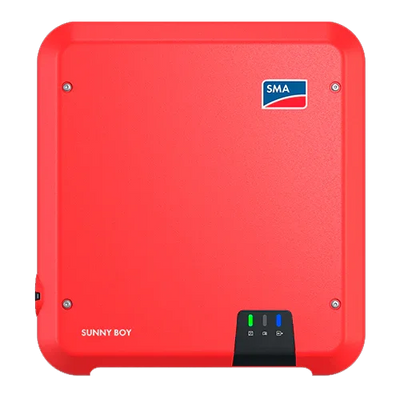
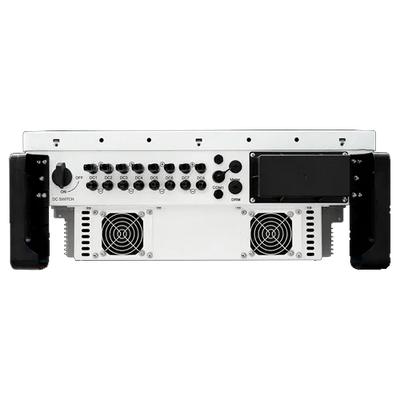
A grid-tied inverter converts the direct current energy from photovoltaic panels into alternating current synchronized with the electrical grid. It allows real-time self-consumption of production and, depending on regulations and configuration, to export surplus or limit export through a meter/CT.
Types of grid-tied inverters
- Single-phase (230 V): homes and small businesses with one phase. Typical power 1–10 kW, 1–3 MPPT.
- Three-phase (400 V): residences with 3 phases, SMEs and warehouses. Power from 3–100+ kW, multiple MPPT.
- Microinverters: one per panel (or 2–4 panels). Excellent for partial shading and modular expansions.
How to choose your grid-tied inverter
- Nominal power (kW): match to PV peak power and the user's contract/consumption.
- MPPT: number of trackers and voltage range (Voc/Vmp) suitable for the strings and orientations.
- Single-phase vs three-phase: according to the electrical installation (230 V or 3 × 230/400 V).
- Functions: export limitation, monitoring (app/portal), communications (RS485/CAN, Wi-Fi), SPD and disconnection.
- IP rating: IP65 equipment for outdoor/exposed use when necessary.
Connection diagram and compatibilities
| PV input | Strings in series/parallel within the MPPT range (Vmp/Voc/Isc) |
| AC output | 230 V single-phase or 400 V three-phase |
| Management | Meter or CT clamp for zero export/limitation (depending on model) |
| Monitoring | Web portal/app, Wi-Fi/LAN/4G depending on version |
| Protections | DC/AC, SPD type II, anti-islanding according to standard |
Grid-tied inverter or microinverters?
- String inverter: better €/kW ratio, ideal for uniform roofs and low shading.
- Microinverters: optimize per module, perform better with partial shading or multiple orientations, and make panel-by-panel expansions easier.
And if I want batteries?
If you need storage and backup, consider hybrid inverters (LV/HV depending on battery) or battery banks with certified compatibility.
Good design practices
- Check Voc at minimum local temperature to avoid exceeding the inverter's limit.
- Balance strings by modules and orientation; use SPD and DC/AC disconnection.
- Configure export limiter and connection permits according to current regulations.
With the right grid-tied inverter you will achieve maximum efficiency, control of export and clear monitoring of your solar production. Choose between single-phase, three-phase or microinverters according to your installation and objectives.
Our Brands


