

12V Inverters
Filter and sort











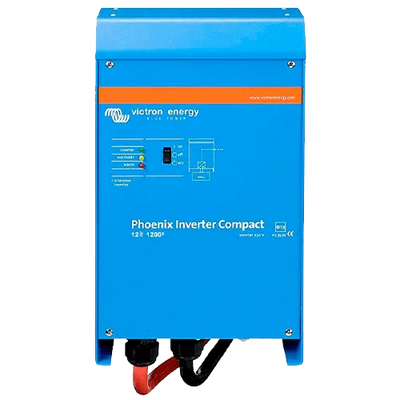


When to choose a 12V inverter?
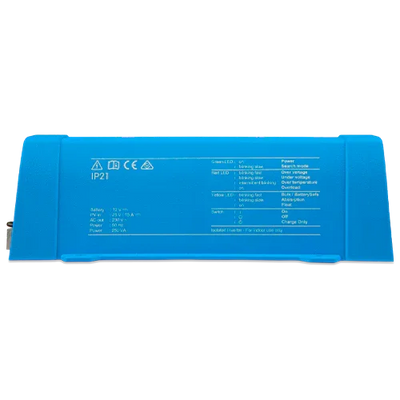
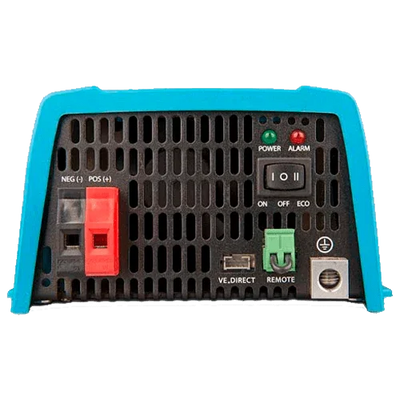
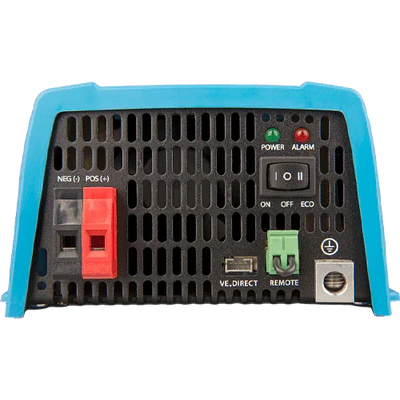
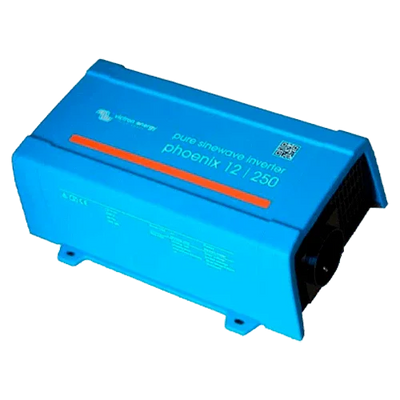
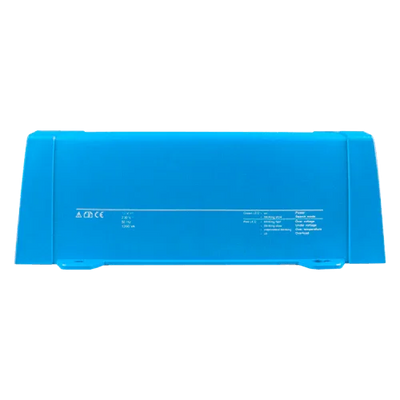
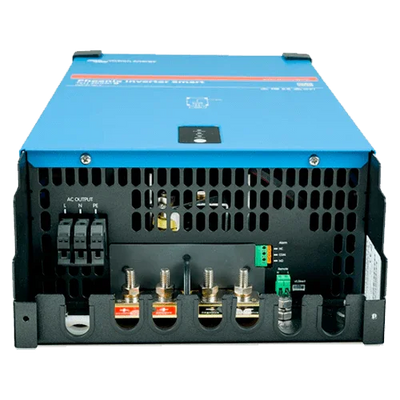
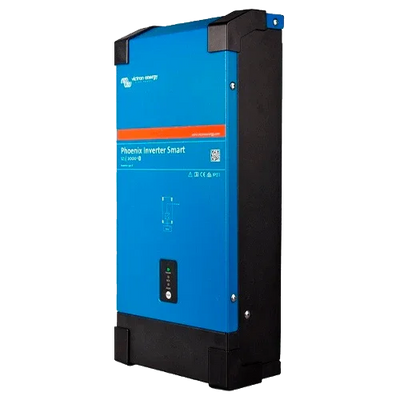
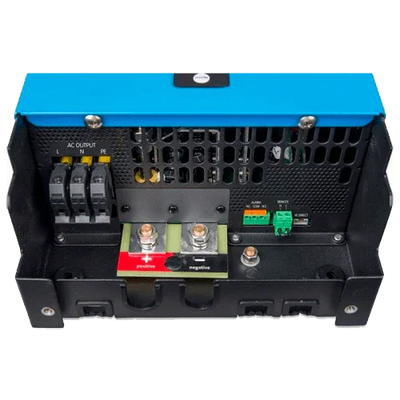
A 12V inverter is the usual option in compact systems powered by 12 V batteries (AGM, GEL, or lithium). It converts DC energy into 230 V AC to use common appliances and equipment in caravans, boats, cabins, or small off-grid homes. Its main advantage is simplicity and the availability of compatible accessories and chargers.
Advantages of 12V
- Simplicity: quick integration with existing 12 V battery banks (automotive, marine, camper).
- Wide range: variety of power ratings and formats, from hundreds of W to several kW.
- Contained cost: equipment and protections generally more economical than at higher voltages.
Limitations and when to move up to 24/48V
- Higher currents: for the same power, more current flows at 12 V → thicker cables and greater losses.
- For sustained demands of >1.5–2 kW or long DC cable runs, it is usually advisable to switch to 24V or 48V.
Typical applications
- Caravans and campers: refrigerators, lighting, water pumps, chargers, and small appliances.
- Marine: onboard electronics, light cooking, and services on boats with a 12 V network.
- Cabins and tiny houses: basic consumption in off-grid self-consumption.
- Backup systems for essential loads.
Key selection criteria
- Nominal and peak power: size according to simultaneous consumption and start-up peaks (motors, compressors).
- Pure sine wave: essential for sensitive electronics and motors.
- High efficiency at partial load and low standby consumption to save battery.
-
Integrated functions:
- Do you need charging from generator/grid? → inverter with 12V charger.
- Will you connect panels directly? → inverter with charger + MPPT or with MPPT.
- Protections and communications (low voltage alarm, temperature, RS485, Bluetooth, etc.).
- IP rating and cooling suitable for the environment (caravan interior, technical room, engine room).
General specifications
| DC input | 12 V (AGM/GEL/Lithium bank) |
| AC output | 230 V single-phase |
| Power range | ~0.3 kW to 2–3 kW (depending on model) |
| Waveform | Pure sine wave recommended |
| Options | With AC charger, with MPPT, source priority, ECO/standby |
Installation best practices
- Install a DC fuse close to the battery and an accessible disconnect switch.
- Use cables of adequate cross-section to limit voltage drop (<3% in the battery–inverter section).
- Ensure ventilation of the equipment and avoid proximity to heat or moisture sources.
- Correctly configure the protection thresholds and battery type.
If your project is compact and prioritizes simplicity, a 12V inverter is an efficient solution. For higher sustained power or long DC runs, consider moving up to 24V or 48V, or integrate extra functions with a 12V charger and integrated MPPT.
Our Brands


