

Filter and sort


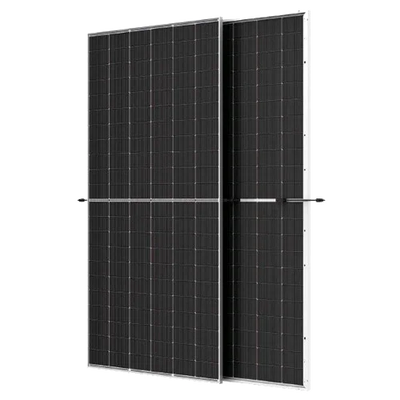
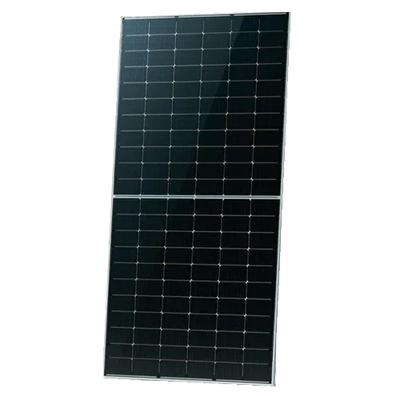

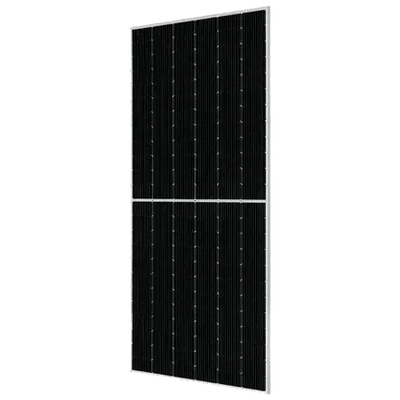


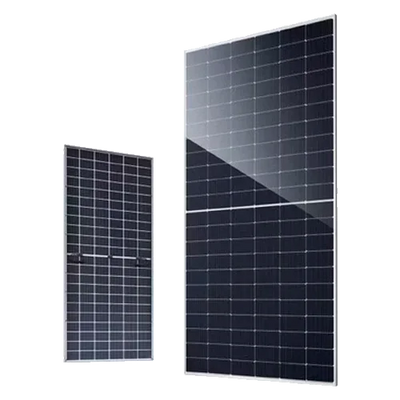

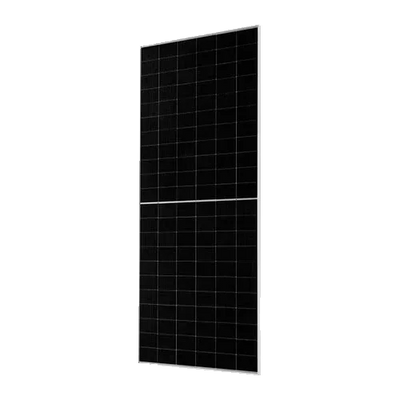
What is a bifacial solar panel?
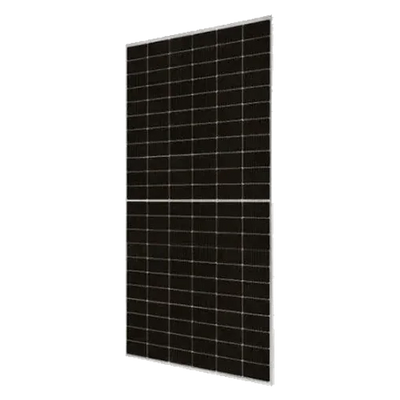
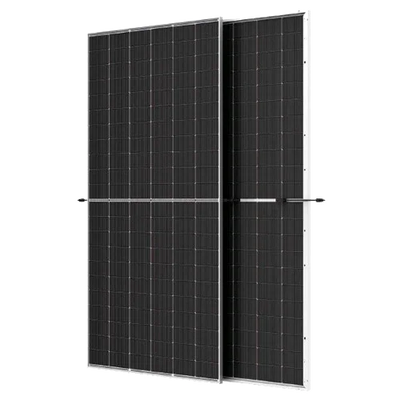
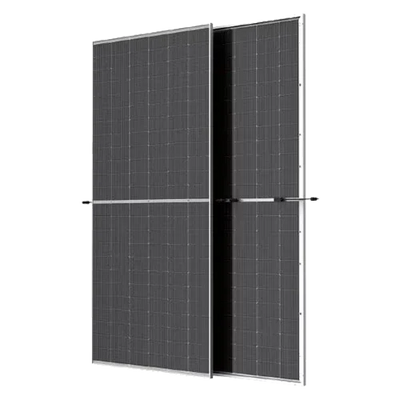
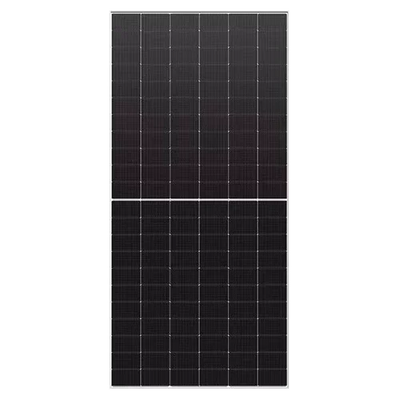
A bifacial panel is a photovoltaic module capable of producing energy from both its front and rear sides. It uses high-efficiency cells (usually N-Type or advanced PERC) encapsulated between two sheets of glass (double glass). The rear side captures radiation reflected by the surroundings —albedo— and converts it into additional energy, achieving more kWh per m² without increasing the occupied area.
Advantages
- Increased annual production thanks to rear-side capture (bifacial gain dependent on albedo).
- Double glass construction with lower potential degradation and excellent mechanical resistance.
- Better LCOE in ground-mounted installations, canopies, or roofs with light-colored surfaces and elevated structures.
- Compatible with trackers or fixed structures; allow vertical mounting/east-west orientation.
Limitations
- Actual gain requires suitable conditions: free height, row spacing, and reflective surface.
- On dark roofs very close to the module, the extra production may be limited.
- It is essential to size strings by Voc/Isc considering possible rear-side gain.
Recommended applications
- Ground-mounted plants with light gravel, white paint, or reflective membranes.
- Canopies, pergolas, and solar carports with sufficient height.
- Industrial roofs where the module can be elevated to enhance reflectance.
How to choose a bifacial panel
- Environment and albedo: white gravel, light concrete, or reflective sheet increase the gain.
- Height and spacing: greater free height and distance between rows reduce shading and improve rear-side capture.
- Electrical parameters: check Voc, Vmp, Isc, and maximum current per MPPT of the inverter.
- Format and weight: double glass increases mass; confirm the structure's admissible load.
- Warranties: prioritize product and linear power warranties suitable for long-life projects.
Typical specifications (indicative)
| Technology | Monocrystalline bifacial (N-Type / advanced PERC) |
| Construction | Double glass, with or without frame depending on model |
| Power range | ≈ 450–720 Wp (depending on format) |
| Bifacial gain | ~5–20% depending on albedo, height, and spacing |
| Voc / Isc | See datasheet; consider increase due to rear irradiance |
| Ideal application | Ground, canopies, and roofs with light-colored surfaces |
Always size for minimum temperature and consider the possible increase in current due to rear-side gain to avoid exceeding MPPT limits.
Installation best practices
- Elevate the module (≥30–50 cm from the support plane) and avoid shading on the rear side.
- Use light-colored surfaces under the array (white membrane or high-albedo gravel) and ensure proper maintenance.
- Space rows to minimize shading and losses due to mismatch.
- Use accessories and fixings compatible with double glass.
- Monitor critical strings; in case of mismatches or shading, add optimizers.
Comparisons and related collections
- Monocrystalline: maximum power density when albedo is low.
- Packs and Pallets: logistical option for large projects with better €/Wp.
- Solar Optimizers: mitigation of shading and mismatches in long strings.
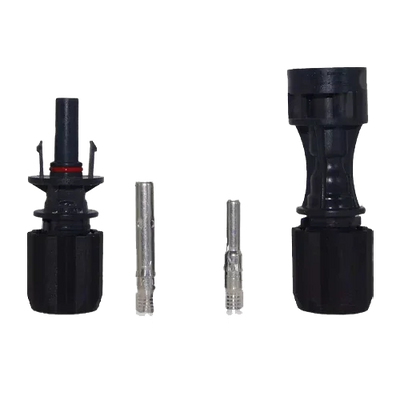
- Solar Panel Accessories: MC4 connectors, cabling, and specific clamps.
Bifacial solar panels are the ideal solution to maximize annual production when the environment favors reflectance. With proper design, they offer a leap in energy per surface area while maintaining a long service life and robust integration in residential, commercial, and industrial projects.


