

Filter and sort
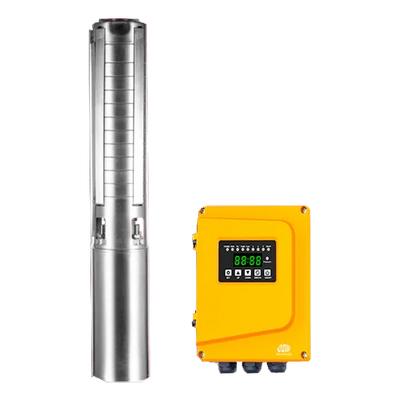

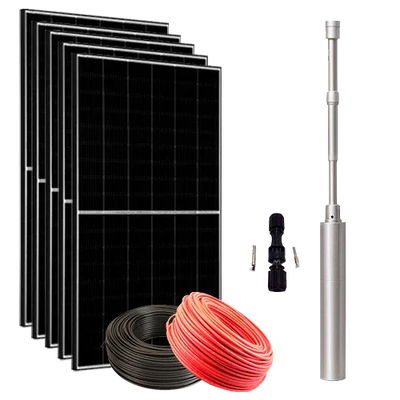
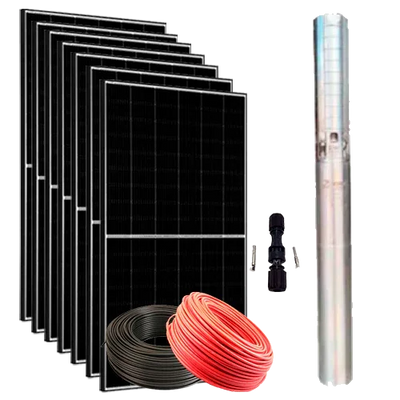
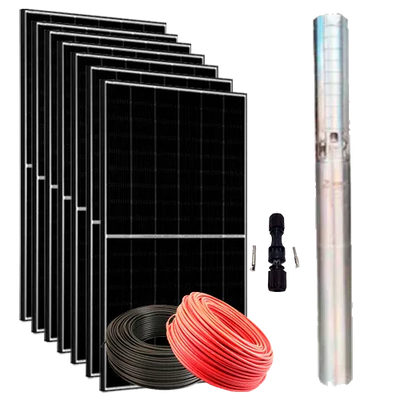
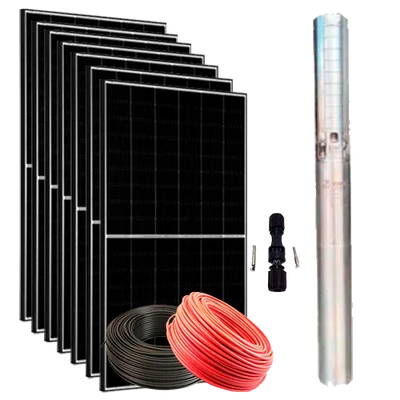
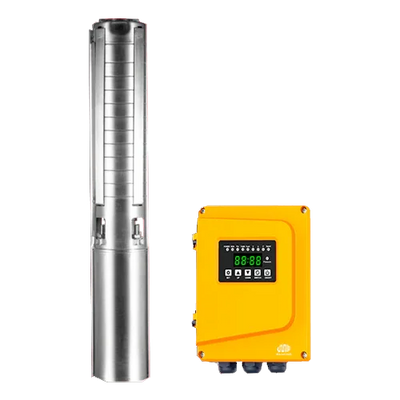


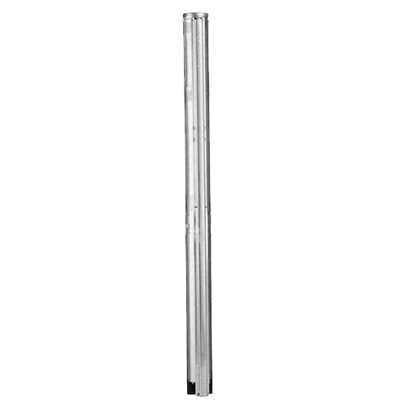

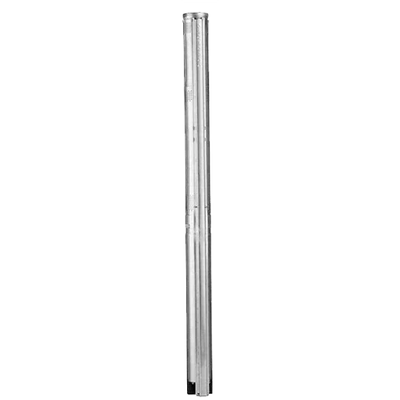


What is a hybrid submersible pump and what is it used for?
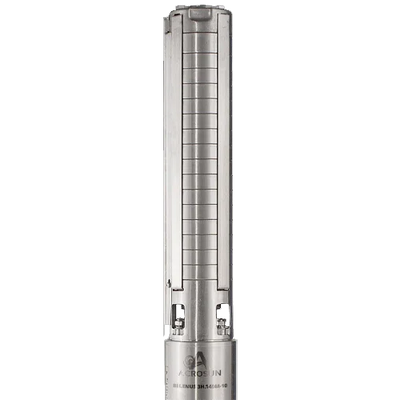
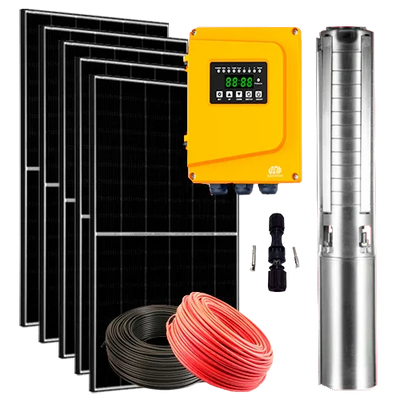
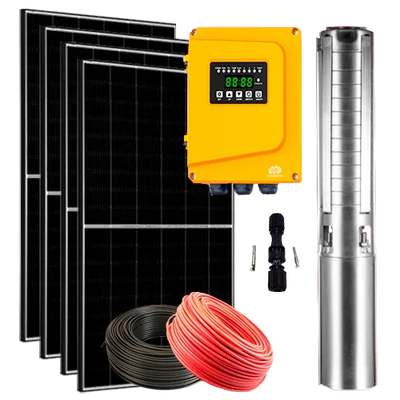
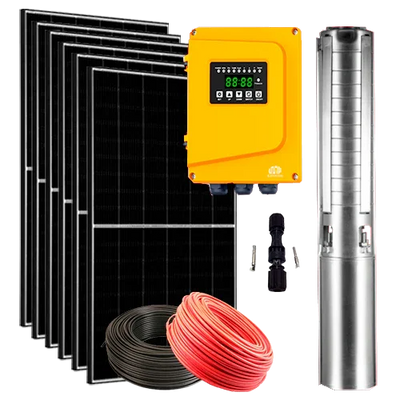
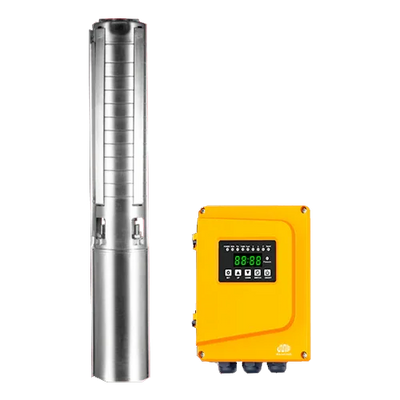
A hybrid submersible pump is designed to operate immersed in wells/boreholes and accept two sources: solar photovoltaic and 230 V AC (grid or generator). This dual input allows operation mainly with solar energy and, when irradiation does not meet demand, switching to AC to maintain constant flow rate and manometric head. In our catalog you will find Grundfos SQFlex (integrated solar/AC system) and the ZIRI hybrid series (3SCP, 4SC, 4SH) with different flow/head combinations. Lorentz PU units without controller are treated as spare parts and are not part of this collection.
Advantages and limitations
- Service continuity: immediate backup with 230 V to cover peaks, cloudy days, or needs outside solar hours.
- Efficiency: priority to solar energy to reduce consumption and operating costs.
- Hydraulic flexibility: centrifugal options (higher flow at medium heads) and helical (better performance at high columns with moderate flows).
- Limitations: switching and protection must be properly configured; it is essential to correctly size the PV array, wiring, and DC/AC protections.
Common applications
- Domestic supply from a well with intermediate tank for 24/7 service.
- Agricultural irrigation and livestock: daytime solar programming with AC support during campaigns or peaks.
- Remote stations requiring high availability without oversizing the PV array.
How to choose your hybrid submersible pump
- Operating point: define flow rate (m³/h) and TDH (m). TDH = geodetic height + friction losses (pipes, elbows, valves, filters).
-
Hydraulics:
- Centrifugal (e.g. ZIRI 4SC, 3SCP): for medium/high flows with low-medium heads.
- Helical (e.g. ZIRI 4SH): for high columns (up to ~200–340 m depending on series) with moderate flow.
- Well diameter: 3" or 4". Check sleeve, centralizers, and cable passage.
- Electronics and switching: use controllers/inverters compatible with solar and 230 V input, with dry run protection (well probe/sensors) and non-return. In SQFlex, add control unit if applicable; in ZIRI hybrids, use their specific protection controller.
- Water management: size a storage tank to decouple solar production from consumption and supply the network with a pressure pump.
Indicative technical specifications
| Power supply | Solar photovoltaic DC + 230 V AC (grid/generator) |
| Flow range | ~1.5–26 m³/h in centrifugal; ~1–6 m³/h in helical (depending on series) |
| Manometric head | ~10–200 m (typical centrifugal); up to ~340 m in specific helical models |
| Diameter | 3" and 4" (check sleeve and tolerances) |
| Control and protections | MPPT/inverter, AC/solar switching, dry run, non-return, DC surge protection |
| Typical installation | Well/borehole → tank → pressure pump to consumption |
Installation best practices
- Select by flow–head curve of the model, not by catalog maximums.
- Calculate cable section and voltage drop; respect manufacturer’s maximum lengths.
- Install level sensors (well and tank) and activate dry run stop in the controller.
- Integrate DC/AC protections: PV disconnectors, surge protection, circuit breaker/RCBO at 230 V.
- Provide a storage tank to cover night consumption without forcing AC backup.
- Maintenance: check insulation, tighten connections, check non-return valve condition, and clean strainers/filters.
Comparisons and related accessories
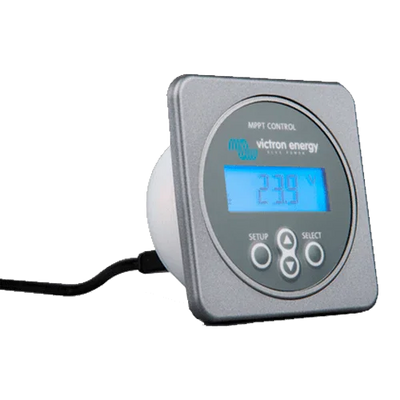
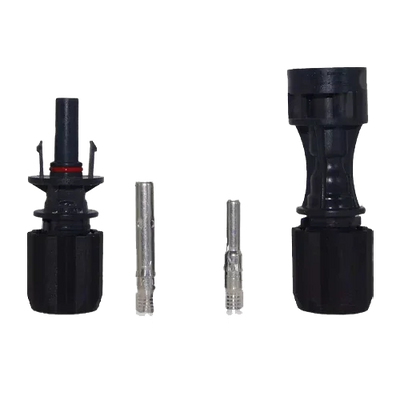
If you do not need backup and prioritize simplicity, see Solar Submersible Pumps. With a stable grid and no PV, consider AC Submersibles. To pressurize distribution from the tank, add a Pressure Pump. Complete the integration with Accessories (controllers/MPPT, PV protections, well probe, valves and filters) and maintain availability of Spare Parts. Return to the overview at Submersible Pumps or Water Pumps.


