

Self-Consumption Kits without Battery
Filter and sort
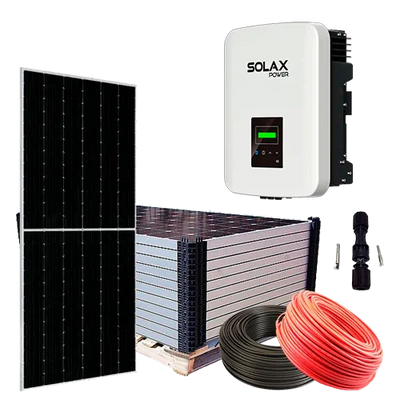


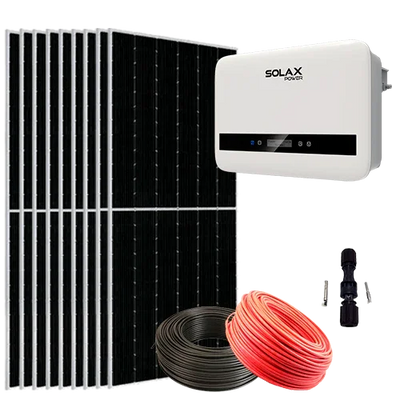
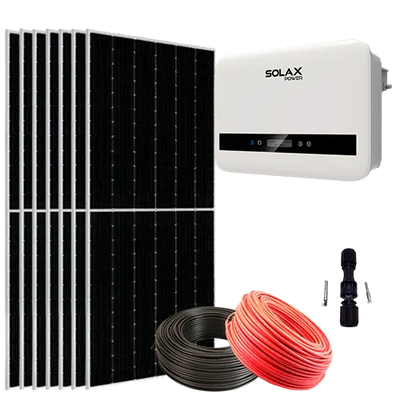
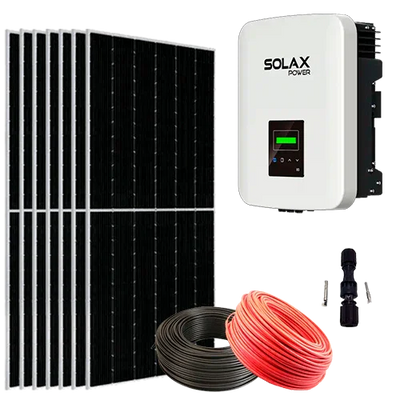

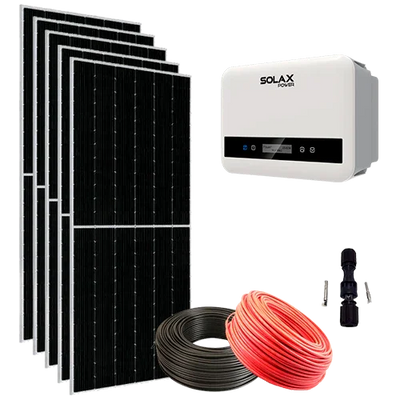

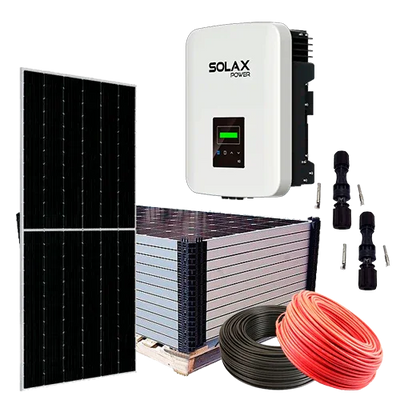

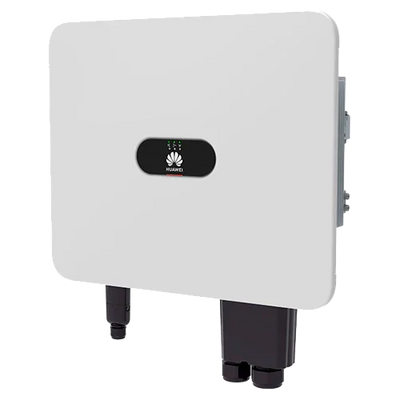

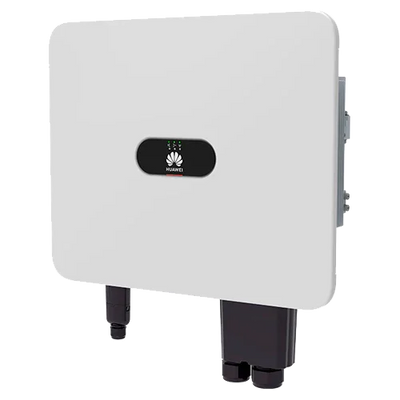

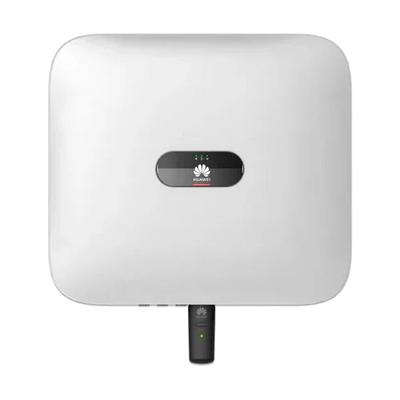


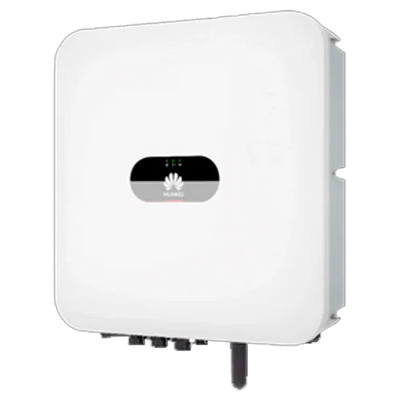




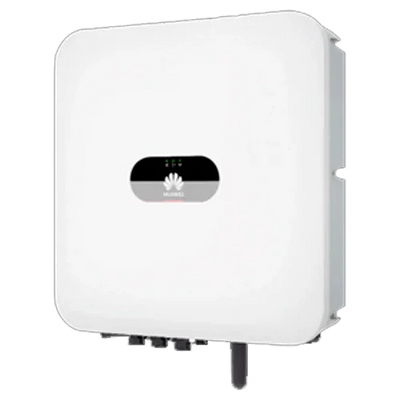

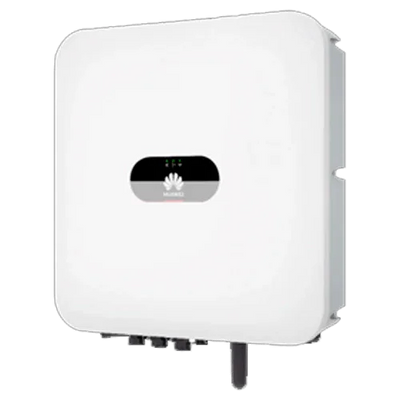


What is a Self-Consumption Kit without Battery?
A Self-Consumption Kit without Battery integrates panels and an on-grid inverter to consume in real time the energy generated, injecting surpluses according to regulations. It is the most direct way to save from day one.
Advantages and limitations
- Lower initial cost and faster payback than with battery.
- Simplicity of installation and lower maintenance.
- Limitation: does not store surpluses; optimization depends on your consumption curve.
Applications
- Homes with daytime consumption (appliances, air conditioning, swimming pool).
- Small businesses and offices.
How to choose
- Adjust the PV peak power to your daytime demand.
- Consider inverters with multiple MPPT for roofs with different orientations.
- Prepare the panel with suitable AC/DC protections.
Typical specifications
| Inverter type | Grid connection (on-grid) |
| MPPT | 1–3, depending on power and orientation |
| Surplus injection | According to local regulations |
| Storage | No (without battery) |
| Use | Residential and light commercial |
Comparisons and related
If you are looking to store energy, check Self-Consumption with Battery. For off-grid environments, consider Off-Grid 12/24/48V or Off-Grid HV. Overview at Solar Kits.
Our Brands


