

AC Pressure Pumps
Filter and sort

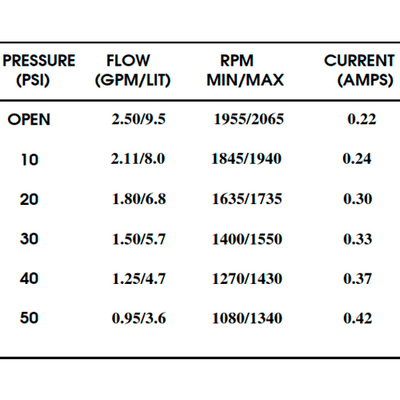

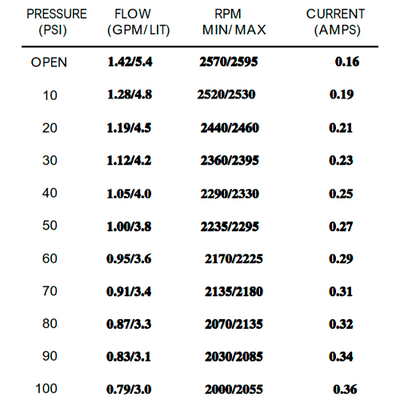

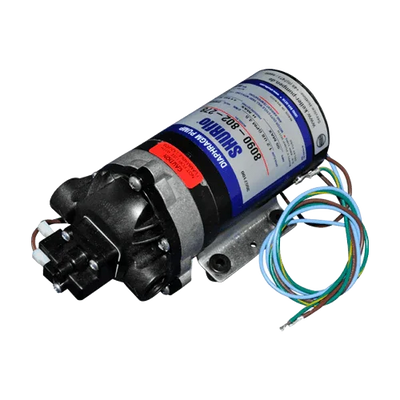
What are AC pressure pumps and what are they used for?
These are compact units—generally diaphragm type—that maintain constant pressure in the water system, powered by 230 V AC (grid or inverter). They are used in homes, workshops, marina applications at port, and for moderate intermittent/continuous demand. This family complements 12 V and 24 V pumps when electrical simplicity and availability are prioritized, and is part of the main Pressure Pumps collection.
Advantages and limitations
- Availability: direct operation with 230 V grid or via inverter.
- Comfort: with a pressure tank, cycles, vibrations, and water hammer are reduced.
- Simple maintenance: pressure switch/press-control and replacement diaphragms, valves, and seals.
- Limitations: do not replace a submersible pump for high lifts or a high-flow pool filter; their function is to pressurize the internal network.
Common applications
- Homes with grid or inverter: taps, shower, and appliances with intermediate tank.
- Marina use at port and campers connected to 230 V.
- Small irrigation and pressurized transfers in nearby tanks.
How to choose your AC pressure pump
- Nominal flow rate (l/min) according to simultaneous points: 6–10 l/min for 1–2 points; 12–19 l/min for 2–3.
- Pressure (PSI/bar): 30–60 PSI covers most uses; specific models reach 100 PSI.
- Usage profile: intermittent (typical in homes). Add a pressure tank to extend the life of the pressure switch.
- Water quality: install an inlet filter (≈50 µm) to protect the diaphragm.
Indicative technical specifications
| Power supply | 230 V AC (50/60 Hz) |
| Typical flow rate | 5–10 l/min (up to ~19 l/min depending on model) |
| Operating pressure | 30–100 PSI (≈2–6.9 bar) |
| Control | Integrated pressure switch or press-control |
| Function | Self-priming (depending on suction height) |
| Accessories | Ibaiondo pressure tank 20–100 L, 50 µm filter, check valve |
Best installation practices
- Mount on a rigid surface with flexible hoses and anti-vibration supports for less noise.
- Bleed air at first start-up and check for leak-tightness of connections.
- Adjust cut-off pressure if the model allows, according to the network and water heater.
- Maintenance plan: clean/replace filters, check connections, and replace spare parts (pressure switch, diaphragm, and valves) preventively.
Comparisons and related accessories
If your system is pure off-grid, consider solar pressure pumps at 12 V or 24 V. For well water extraction, use submersible pumps. Complete your installation with accessories (pressure tanks, filters, protections) and keep spare parts available. Return to the overview at Pressure Pumps or Water Pumps.
Our Brands


