

MPPT Solar Regulators
Filter and sort

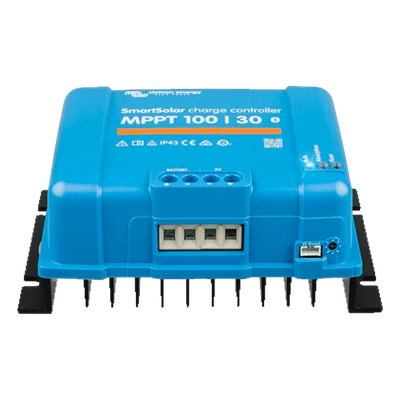

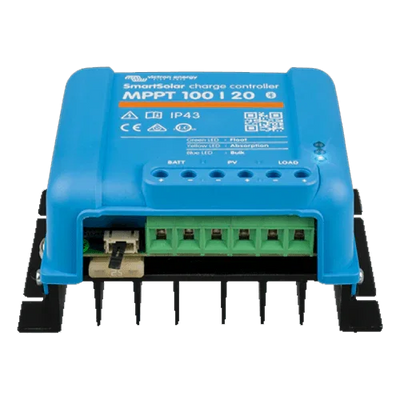

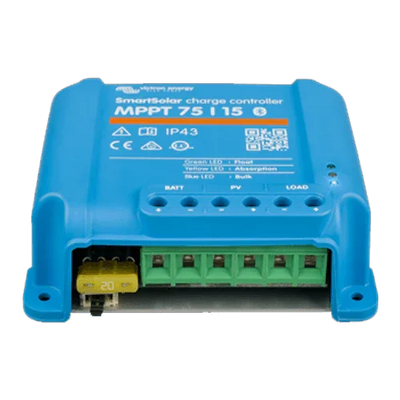

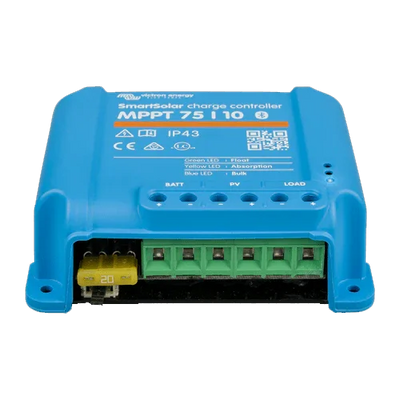
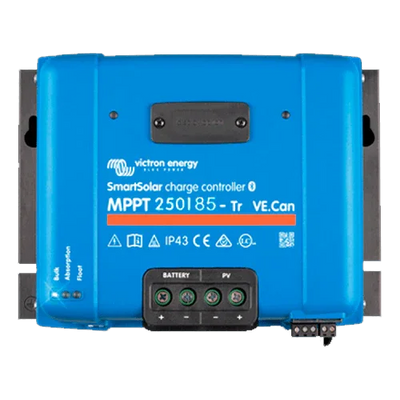


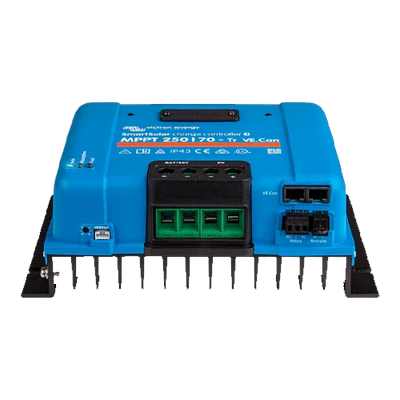

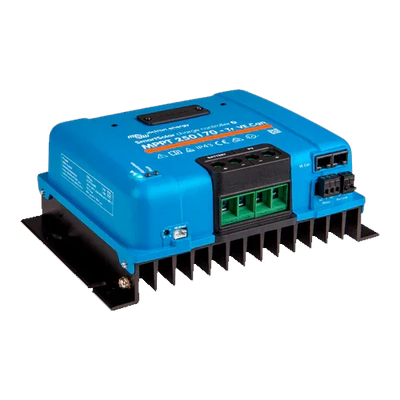

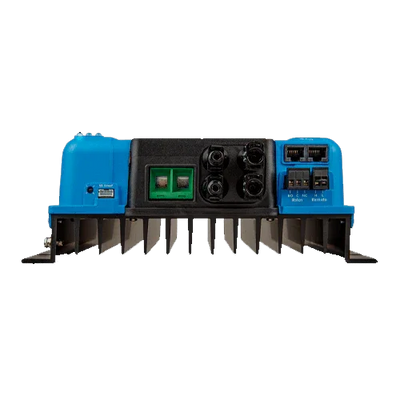
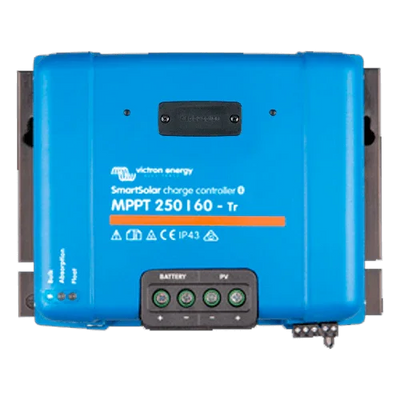
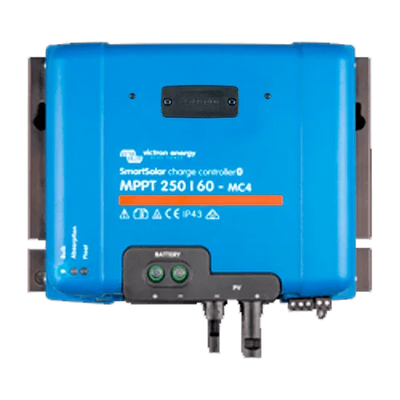
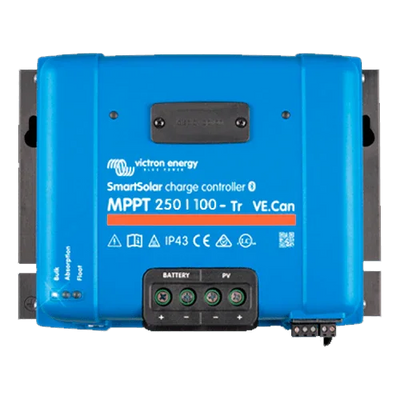

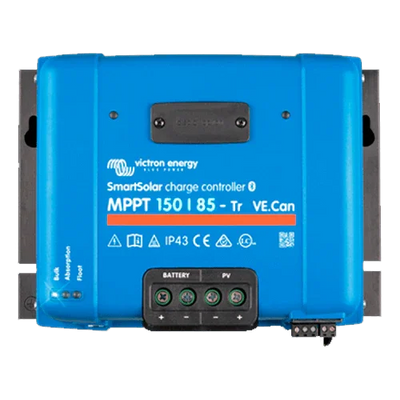


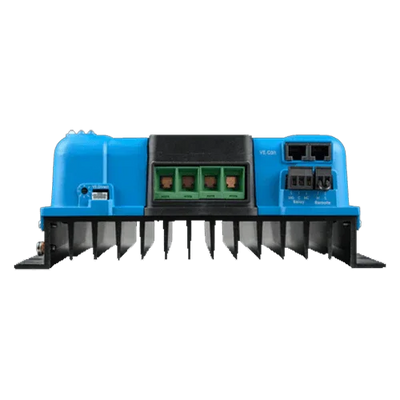

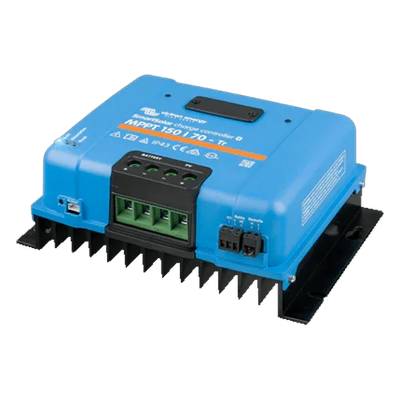
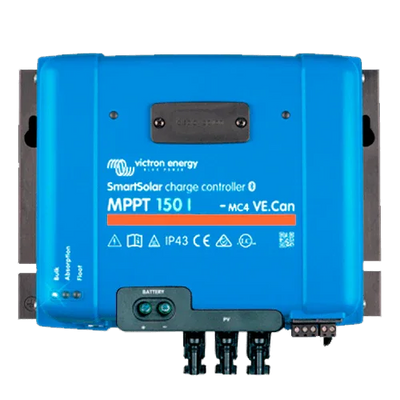
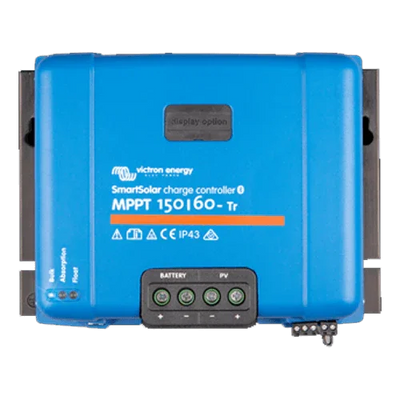
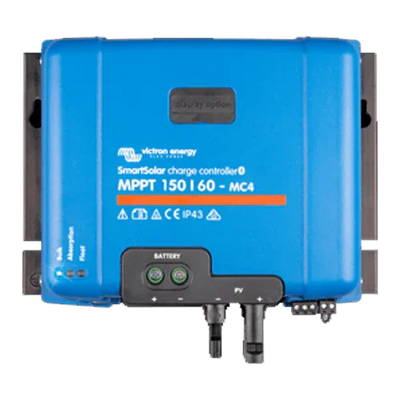
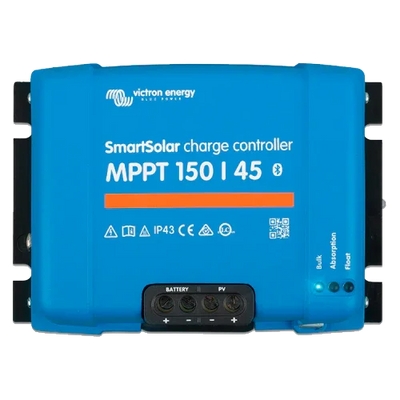

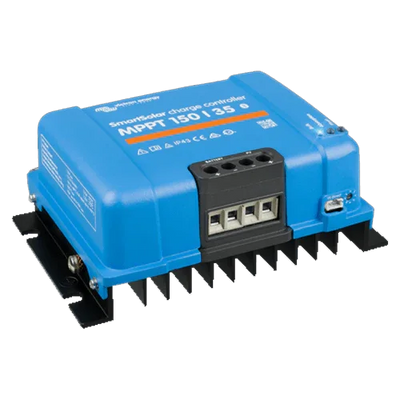

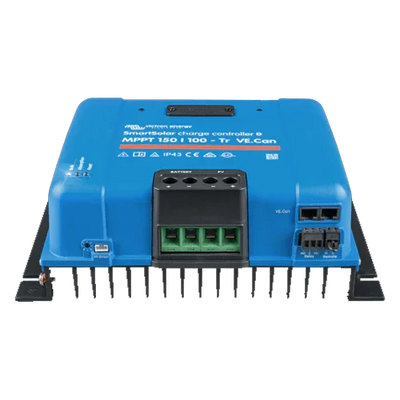


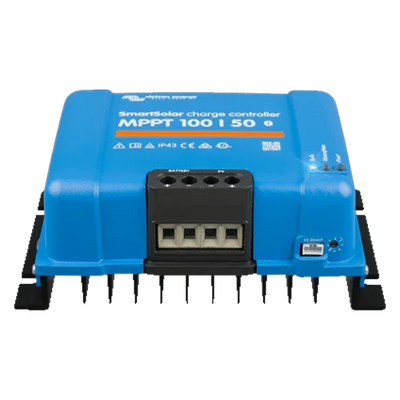
What is an MPPT controller and why is it more efficient?
An MPPT controller tracks the maximum power point of the photovoltaic panels to transfer the maximum possible energy to the battery at every moment. By being able to operate with higher PV voltages than the battery, it reduces wiring losses and improves performance, especially with low temperatures, variable irradiance, and long strings.
Advantages over PWM
- Higher annual production (especially in winter and with long cables).
- Design flexibility: series strings at higher voltage (within the equipment's maximum Voc).
- Better management of partial shading and irradiance changes.
- Advanced monitoring and configuration (depending on model: BT/Wi-Fi/RS485).
How to size your MPPT
- PV power (W): should not exceed the admissible power of the MPPT.
- PV input: check the regulator's maximum Voc and Isc with the minimum temperature in your area.
- Charge current (A): choose an MPPT whose battery output covers the maximum expected current with margin.
- Battery voltage: 12/24/48 V auto/selectable; profiles for AGM/GEL/OPzS and lithium compatibility if applicable.
Typical applications
- Off-grid residential with daily consumption and 12/24/48 V banks.
- Caravans and marine where wiring at higher voltage is desirable to reduce voltage drop.
- Small businesses and telecom with long strings and remote monitoring.
General specifications
| Topology | MPPT with high-efficiency DC-DC converter |
| PV input | Vmp/Voc range and current per input (depending on model) |
| Battery voltage | 12/24/48 V (auto or selectable) |
| Charge current | 10–100+ A (model-dependent) |
| Profiles | AGM, GEL, OPzS and Lithium (depending on compatibility) |
| Communications | RS485/CAN, Bluetooth/Wi-Fi, remote display (optional) |
Installation best practices
- Connect the battery to the MPPT first and then the PV array (as per manual).
- Calculate the string Voc at the minimum temperature to avoid exceeding the controller's limit.
- Install fuses/disconnectors on the battery and SPD on DC if applicable; limit voltage drop to <3%.
- Configure absorption/float voltages and, if available, activate the temperature sensor.
Recommended accessories
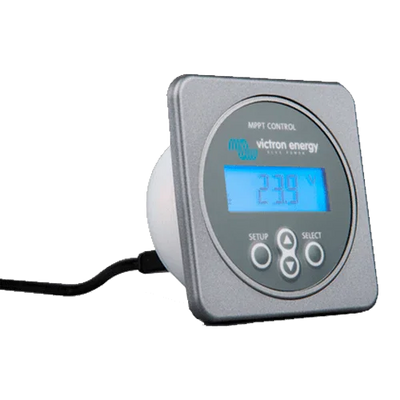
- Temperature sensor and communication displays/modules.
- DC protections: fuses, disconnectors, and SPD suitable for the equipment's range.
If you are looking for maximum performance, flexible string design, and better management of solar energy, choose an MPPT controller. For very compact and economical projects, consider PWM controllers.
Our Brands


